Pump and Lift Station Surge Protection Applications

Pump stations and lift stations keep water and wastewater moving safely and reliably, often from remote locations with little or no on-site staff. When a transient voltage event disrupts telemetry or SCADA communications, operators can lose visibility into pump status, wet well level, alarms, and fault conditions.
Effective pump and lift station surge protection is about more than protecting electrical components. It's about maintaining visibility, supporting rapid recovery, and helping operators keep water and wastewater systems running safely.
For more than 115 years, DEHN has helped municipalities, consulting engineers, and plant operators develop coordinated electrical protection strategies that address both external and internally generated transient events across water and wastewater applications.
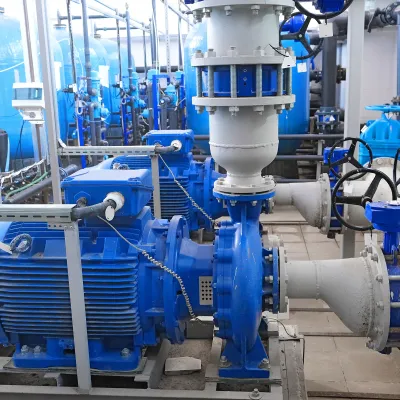
Why Pump Stations and Lift Stations Are Especially Vulnerable to Transient Events
Pump and lift stations are often distributed across a service area and operate in exposed environments. Long cable runs, antennas, remote telemetry equipment, and incoming utility service can all provide pathways for transient voltage.
External sources include:
Direct lightning strikes on enclosures, antennas, or nearby infrastructure
Utility switching events
Nearby grid faults
Induced surges on incoming power and communication lines
Internal sources are equally important and often occur more frequently:
VFD switching
Large motor starts
Generator transfers
Automatic transfer switch operations
Because pump and lift stations depend on interconnected control and communication systems, a single transient event can affect multiple devices at the same time.
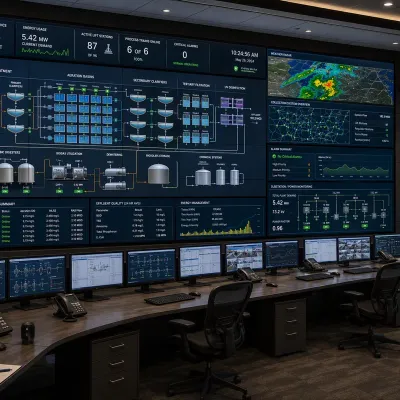
What Happens When a Pump and Lift Station Loses Telemetry?
The most significant consequence of a surge event is often the loss of visibility. Without telemetry or SCADA communications, operators may not know
Whether pumps are running
Whether wet well level is rising
Whether a VFD has tripped
Whether the PLC or RTU has reset
Whether the issue is a communications failure or an equipment fault
A surge event can quickly lead to:
Loss of telemetry — operators lose remote visibility.
VFD or motor control trip — pumping capacity is reduced or lost.
PLC or RTU reset/failure — crews may need to travel to the site.
Equipment damage — replacement parts may increase downtime and risk.
Designing for containment and recovery helps restore visibility faster and reduce manual intervention.

Download the Lift Station Lightning and Surge Protection Audit Checklist
Understanding where transient voltage can enter your lift station is the first step toward improving resilience. Use the checklist to review common exposure points, critical electrical pathways, grounding, bonding, instrumentation, and communications equipment.
Inside a Pump or Lift Station Control Panel: Every Pathway Matters
A pump or lift station control panel contains multiple power, control, signal, and communication pathways. Protecting only one component leaves other pathways exposed.
Common components requiring coordinated protection include:
- VFDs: Control pump speed and can generate switching transients.
- PLCs or RTUs: Manage control logic and communications.
- Telemetry equipment: Sends station data back to SCADA.
- Level sensors: Monitor wet well conditions.
- Pump motor starters: Control motor operation and switching.
- Status indication circuits: Provide alarms and equipment status.
- Power supplies: Support sensitive electronics.
A coordinated protection approach helps reduce the likelihood that transient events propagate throughout the control panel.
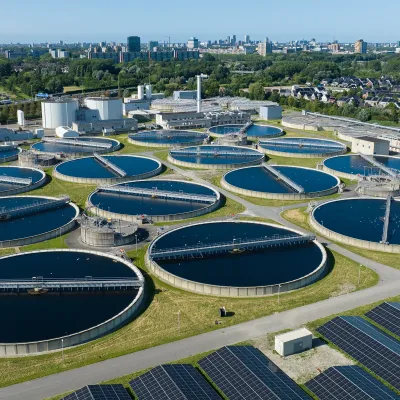
Internal Transient Sources: It's Not Just Lightning
Lightning receives the most attention, but many transient events originate inside the pump and lift stations.
VFD switching, large motor starts, generator transfers, and ATS operations can create transient overvoltages during normal operation. Because these events can occur repeatedly, protecting against internally generated transient voltage is just as important as protecting against lightning.
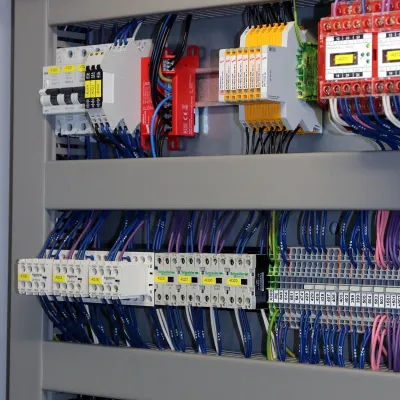
What Transient Protection Does a Pump or Lift Station Control Panel Need?
Effective pump and lift station surge protection requires multiple layers of coordinated protection rather than relying on a single device.
Transient events can travel through:
Incoming power
Control wiring
Signal circuits
Telemetry and communication networks
Instrumentation
Grounding and bonding systems
Most pump and lift station control panels should be reviewed for protection at:
Incoming electrical service
PLCs and RTUs
VFDs and motor controls
Telemetry equipment
Communication circuits
Level, flow, and pressure instrumentation
Grounding and bonding connections
The right protection strategy depends on the station's electrical design, communications architecture, and operating environment.
Get a Pump/Lift Station Surge Risk Assessment
Every lift station has unique electrical pathways and protection requirements. Reviewing your stations’ risk helps identify vulnerable circuits before a transient event disrupts operations.
DEHN can assess your lift station and identify unprotected pathways, helping you develop a coordinated protection strategy that supports reliable operation and faster recovery.
Request a Pump/Lift Station Surge Risk AssessmentFrequently Asked Questions
What is the most common cause of SCADA reset at a pump or lift station?
SCADA resets are commonly caused by transient voltage events generated by lightning, utility switching, VFD switching, motor starts, or generator transfers that affect sensitive control electronics.
Can a VFD cause its own surge damage?
Yes. VFDs generate high-frequency switching transients during normal operation. Without coordinated surge protection, these internally generated transient events can affect nearby equipment within the control panel.
What does a DEHN risk assessment include?
Our risk assessment evaluates the current opportunities for improved protection and gaps in existing protection to help you address unprotected power, communication, control, and instrumentation circuits. The assessment helps determine where coordinated surge protection, grounding, and related protective devices should be applied to improve system resilience.