Tank Level Monitoring Surge Protection for
Water Storage Tanks and Reservoirs
Water Storage Tanks and Reservoirs

Water storage tanks and reservoirs provide critical capacity across a distribution network. But operators also need reliable level data to understand available storage, manage demand, and respond during emergencies.
A transient voltage event that disrupts a tank level sensor or telemetry transmitter can leave utilities without accurate visibility into available storage, making it more difficult to respond during periods of high demand, emergency events, or changing system conditions.
Elevated tanks are especially susceptible to lightning because they are often among the tallest structures in the surrounding area. DEHN helps water utilities protect remote monitoring systems with coordinated electrical protection that supports reliable communications, accurate instrumentation, and continuous operational awareness.
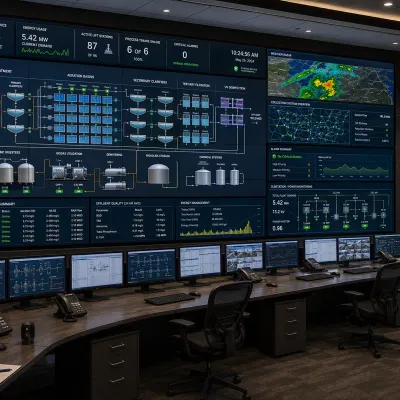
Protecting Water Storage Tank Monitoring Systems
Unlike treatment plants or pump stations, storage tank sites, like other water and wastewater applications, typically contain a smaller number of critical electrical components. Each plays an important role in maintaining visibility into system performance and should be considered as part of a coordinated protection strategy.
Common components requiring protection include:
- Tank level sensors that provide continuous storage level measurements.
- Telemetry transmitters or RTUs that communicate tank data back to the SCADA system.
- Radio or cellular antennas that enable remote communications and are exposed to direct lightning strikes.
- Sensor and communication wiring
- Power Supplies
- Grounding and bonding connections
- Cathodic protection systems that help protect steel infrastructure from corrosion.
- Access control systems and intrusion detection equipment that support site security and monitoring.
Because these systems work together, a transient event affecting a single communication or instrumentation pathway can interrupt visibility across the entire monitoring site.
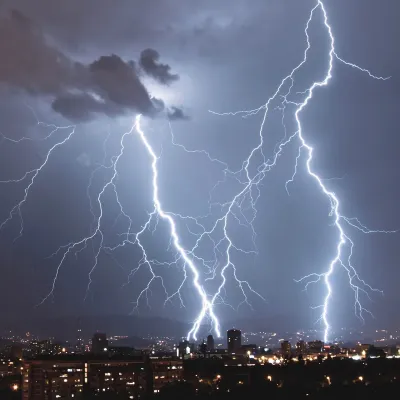
How Do You Protect a Water Tank Level Sensor from Lightning?
Protecting a water tank level sensor begins with protecting every pathway connected to it. While the tank structure may be exposed to a direct lightning strike, transient voltage can also enter through sensor wiring, communication lines, and power circuits.
A coordinated approach combines lightning protection, grounding and bonding of the tank structure, and surge protection for instrumentation and communication circuits. Together, these measures help reduce the likelihood that lightning interrupts tank level monitoring or damages sensitive monitoring equipment.

Evaluate Your Tank Remote Monitoring Equipment
The Lift Station Lightning and Surge Protection Audit Checklist can also help identify exposure points at remote storage tank and reservoir monitoring sites. Use it to review instrumentation, communications equipment, grounding, and other pathways where transient voltage may affect system visibility.
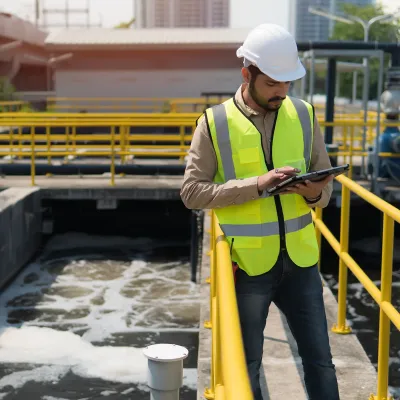
Maintain Visibility Across Your Distribution Network
Reliable tank and reservoir monitoring depends on more than accurate sensors—it depends on protecting the electrical and communication systems that keep those sensors connected.
Coordinated protection helps utilities maintain confidence in remote storage data, reduce unexpected communication failures, and support more reliable distribution system operational efficiency.
Review Your Tank Monitoring with a Risk Assessment
A surge risk assessment by DEHN engineers helps identify unprotected electrical and communication pathways at tank and reservoir monitoring sites, supporting more informed protection decisions for your remote assets.
Request a Risk Assessment