Tailored Surge Protection:
Water Treatment Plant Applications
Water Treatment Plant Applications

Water and wastewater treatment plants depend on interconnected electrical systems that keep critical processes running around the clock. Every layer of the treatment plant relies on consistent power quality and reliable communications.
Effective surge protection for water treatment plants is about more than protecting equipment. When a transient voltage event disrupts a treatment plant, the biggest consequence is process interruption. A tripped VFD controlling an aeration blower or a damaged I/O card can interrupt treatment processes, require manual intervention, and extend recovery times across the facility.
For more than 115 years, DEHN has helped municipalities, consulting engineers, and facility teams build coordinated protection strategies that improve operational resilience against both internal and external transient events.
Understanding Electrical Threats to Water and Wastewater Facilities
A transient voltage event is a brief spike in electrical voltage that can disrupt or damage sensitive electrical and electronic equipment. At a water or wastewater treatment plant, these events originate from both external and internal sources and can travel through power, communication, and signal circuits simultaneously.
External threats include:
Direct lightning strikes
Utility switching events
Nearby grid faults
Induced surges from overhead power lines
Internal threats are often more common and include:
Variable Frequency Drive (VFD) switching
Large motor starts
Generator and automatic transfer switch (ATS) transfers
Transformer energization
Normal switching operations within the plant
Because treatment plants rely on interconnected electrical and control systems, even a localized transient event can propagate throughout the facility and affect multiple processes at once.
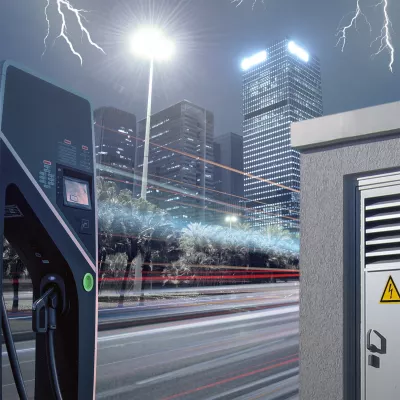
What Are the Biggest Electrical Threats to a Water Treatment Plant?
The greatest electrical threats aren't defined by where they originate—they're defined by how they disrupt operations.
A single transient event can trip VFDs controlling aeration blowers, reset PLCs, interrupt SCADA communications, damage instrumentation, or disable I/O cards supporting chemical dosing systems. These disruptions often require manual intervention, extend recovery times, and reduce operators' visibility into critical treatment processes.
A coordinated protection strategy helps reduce these risks by addressing both the external and internal transient events that affect modern water and wastewater treatment plants.
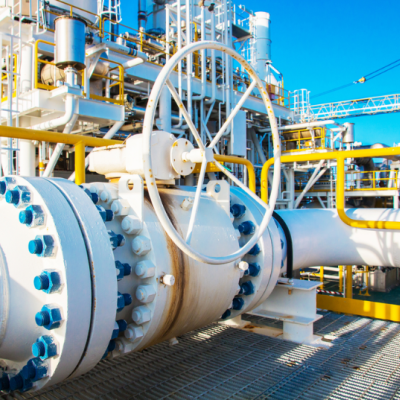
Critical Systems That Need Protection in a Water Treatment Plant
Common water treatment equipment requiring coordinated protection includes:
Incoming utility service
Motor Control Centers (MCCs)
Variable Frequency Drives (VFDs)
Pump motors
PLCs and SCADA systems
I/O cards
Chemical dosing systems
Aeration blowers
Filtration controls
Instrumentation loops
Communications networks
Every treatment plant contains interconnected electrical and control systems that support continuous operations. Because these systems rely on one another, protecting only one piece of equipment leaves other pathways exposed to transient overvoltages.
Identify Treatment Plant Exposure Points Before They Become Downtime
The best protection strategy begins with understanding where transient voltage can enter your facility.
The Lift & Pump Station Controls & Telemetry Resilience Toolkit includes a practical Protection Audit Checklist that helps identify common exposure points, review critical electrical pathways, and support more informed protection decisions.
Get the Free Toolkit
Proper Surge and Lightning Protection for Wastewater Treatment Facilities Starts with a Comprehensive Protection Concept
No concept is complete without lightning protection. Wastewater treatment facility infrastructure requires more than simply installing a surge protective device at the service entrance. A holistic approach is the only correct approach.
Transient events travel through multiple pathways at the same time, including power distribution, control wiring, instrumentation circuits, and communication networks.
A coordinated protection chain addresses all of these pathways together through:
Lightning Protection Systems
Surge Protective Devices (SPDs)
Grounding & Bonding
Instrumentation Protection
EMC Protection
By coordinating protection across the entire treatment plant, facilities are better prepared to reduce process interruptions and recover more quickly following power events.
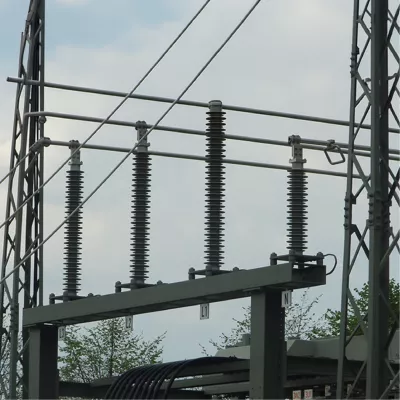
Protecting Critical Treatment Processes
Electrical disturbances don't simply affect individual devices—they interrupt treatment operations. For example:
A transient event affecting an aeration blower VFD can reduce oxygen transfer and interrupt biological treatment.
Damage to a chemical dosing system's PLC or I/O cards can require operators to manually restore treatment processes.
Surge-related failures affecting bar screens or grit chambers can reduce the effectiveness of debris removal, increasing downstream operational challenges.
Protecting these systems helps maintain process continuity while reducing unnecessary maintenance and recovery time.
Surge Protection and Division 26 Specifications
For consulting engineers and specifiers, surge protection is typically addressed within Division 26 electrical specifications for new construction and major treatment plant upgrades.
Including coordinated surge protection, grounding, lightning protection, and protection for control and instrumentation systems early in the design process helps create more resilient treatment facilities and simplifies long-term maintenance planning.
What Is the Difference Between Type 1 and Type 2 Surge Protection at a Treatment Plant?
Type 1 surge protective devices (SPDs) are installed on the line side of the service entrance to help protect against external surges, including lightning and utility-related events.
Type 2 surge protective devices (SPDs) are installed on the load side of the electrical service to protect downstream equipment such as MCCs, PLCs, VFDs, SCADA systems, and other sensitive electronic controls from both external and internally generated transient events.
Most treatment plants benefit from a coordinated approach that incorporates both protection types rather than relying on a single installation point.
Review Your One-Line Before the Next Power Event or Lightning Strikes
Whether you're designing a new treatment plant, updating an existing facility, or reviewing Division 26 specifications, understanding how transient voltage moves through electrical critical infrastructure across the water and wastewater industry is the first step toward coordinated protection.
A One-Line Drawing Review from DEHN can identify vulnerable pathways and opportunities to improve protection throughout your treatment plant.
Request a One-Line Drawing Review