Surge Protection for Water Distribution and Wastewater Collection Systems

Water and wastewater systems extend far beyond centralized treatment facilities. Wellheads, booster pump stations, pressure-reducing valve—PRV—stations, lift stations, pump stations, and remote monitoring sites all depend on reliable power, instrumentation, and communications to keep operators informed.
When a transient voltage event disrupts telemetry or SCADA communications, operators can lose visibility into remote asset status, pressure, flow, pump operation, wet well levels, or alarm conditions. That loss of visibility can delay response and increase operational risk.
Effective surge protection for remote water and wastewater assets helps maintain reliable communications, protect critical equipment, and support continuous operational awareness across geographically dispersed infrastructure.
For more than 115 years, DEHN has developed coordinated electrical protection strategies that address transient events and their effects.
Why Remote Water and Wastewater Assets Require Coordinated Protection
Remote water and wastewater assets present different electrical challenges than centralized treatment plants. They are spread across large geographic areas, often operating without on-site personnel, and depend on reliable communications to detect issues before they affect water delivery or wastewater movement.
Common assets requiring coordinated protection include:
- Wellheads and well sites
- Booster pump stations
- Pressure-reducing valve—PRV—stations
- Water storage tank and reservoir monitoring sites
- Wastewater pump stations
- Sewer lift stations
- Remote telemetry units—RTUs
- Cellular or radio telemetry nodes
- Remote monitoring panels
- Flow, pressure, and level monitoring sites
Because these assets are often unmanned, losing telemetry or instrumentation data can delay response times and leave operators without visibility into changing system conditions.
How Do You Protect Remote Water and Wastewater Instrumentation from Lightning?
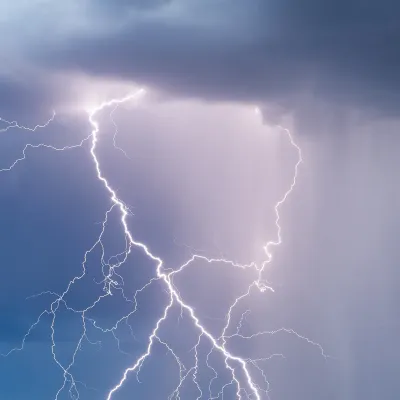
Above-grade wellhead equipment is particularly susceptible to direct and nearby lightning strikes. Telemetry antennas, exposed control enclosures, pressure instrumentation, and communication equipment can all provide pathways for transient voltage to enter the electrical system.
A coordinated protection strategy combines lightning protection, surge protection devices (SPDs), grounding and bonding, and protection for instrumentation and communication circuits.
Protecting each pathway helps reduce the likelihood that a lightning event disrupts remote monitoring or damages critical field equipment.
Download the Transient Pathways Diagram
Evaluate Remote Distribution Assets Before They Become Blind Spots
The best protection strategy begins with identifying where transient voltage can enter your remote infrastructure.
The transient pathways diagram above highlights remote-site exposure points that apply to many wellheads, booster pump stations, PRV stations, tank monitoring sites, and remote telemetry locations. Use the Lift Station Lightning and Surge Protection Audit Checklist to identify common exposure points, review electrical and communication pathways, and prioritize protection improvements across geographically dispersed systems.
Remote Monitoring Depends on Protected Communication Pathways
Remote monitoring is the backbone (nervous system?) of modern water and wastewater operations. Pressure alarms, flow monitoring, and system status updates all depend on reliable communication between field devices and the SCADA system.
Transient voltage can enter through several communication pathways, including:
- 4–20 mA sensor loops
- Modbus RTU communication lines
- Cellular modems
- Radio telemetry systems
- Incoming power circuits
Because these pathways support both operational data and electrical connectivity, coordinated protection is essential for maintaining telemetry, supporting reliable SCADA communications, and reducing unnecessary field visits.
What Surge Protection Is Needed for 4–20 mA Sensor Loops?
Instrumentation circuits are sensitive to transient voltage because they carry low-level analog signals often across long cable runs.
A surge event affecting a 4–20 mA sensor loop can interrupt pressure monitoring, flow measurement, level monitoring, or other critical process information—even when the sensor itself remains operational.
Coordinated surge protection designed specifically for instrumentation circuits helps preserve accurate data, reduce communication interruptions, and support continuous monitoring throughout the water and wastewater networks.
Protecting the Complete Remote Asset Network
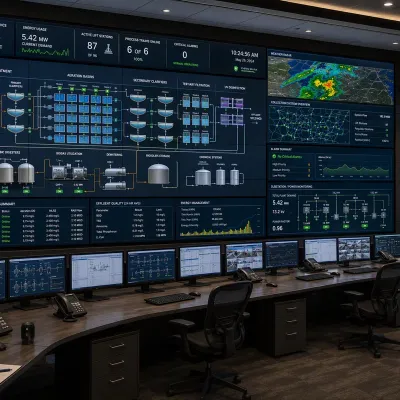
Protecting remote infrastructure requires more than installing a single surge protective device. Water and wastewater systems benefit from a holistic protection concept that addresses every pathway through which transient voltage can travel. That includes:
- Lightning protection for exposed wellheads, remote enclosures, antennas, and above-grade equipment
- Surge protection for SCADA systems and remote telemetry
- Protection for flow, level, and pressure instrumentation
- Grounding and bonding to support reliable system performance
Together, these measures help utilities maintain visibility into remote assets, improve operational resilience, and recover more quickly following power events.
Evaluate Surge Risk Across Remote Water and Wastewater Assets
Every water and wastewater network has unique electrical, instrumentation, and communication pathways. A surge risk assessment from DEHN helps identify exposed remote assets, evaluate critical power and communication circuits, and support coordinated protection strategies that improve long-term reliability.
Request a Surge Risk Assessment