Water Utility Asset Protection:
Electrical Risks You
Can't Afford to Ignore
Electrical Risks You
Can't Afford to Ignore

As a facility manager or asset owner, you're responsible for keeping critical infrastructure operating reliably while making the most of every capital investment.
When transient voltage damages electrical systems, the impact extends beyond replacing a single component. Unexpected SCADA outages, premature VFD failures, telemetry issues, and emergency callouts all increase operating costs and shorten the life of infrastructure you've invested in.
DEHN helps utilities identify electrical risk and protect those investments before they become reactive repairs.
The Business Impact of a SCADA Outage in a Water or Wastewater Utility
A SCADA outage at a remote lift station, pump station, well sites, or monitoring location creates immediate operational and financial consequences. Staff may need to leave other work to investigate the site. Operators may need to manually verify wet well level, tank levels, pressure readings, pump status, or equipment alarms.
If communications remain offline during a storm, high-flow event, or demand spike, the risk of overflow, service interruption, or delayed responses increases. If a VFD, PLC, RTU, or telemetry device has been damaged, repair costs and downtime continue to grow while replacement parts are sourced.
For facility managers, the true cost is measured in emergency response time, lost productivity, repair expenses, regulatory exposure, and public confidence.
Protect Critical Infrastructure Before It Fails
Electrical protection is an investment in the infrastructure your utility already owns.
Without coordinated protection, repeated transient voltage events can gradually degrade expensive assets, including:
- Variable Frequency Drives (VFDs)
- PLCs and RTUs
- SCADA infrastructure
- Instrumentation and sensors
- Telemetry and communications equipment
These systems represent significant capital investments. Protecting them helps extend equipment life, improve reliability, and reduce unexpected replacement costs.
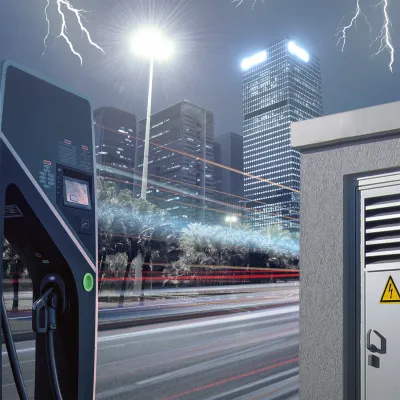
The Cost of Protection Compared to the Cost of Downtime
The cost of coordinated surge protection is often a fraction of the cost of a single equipment failure.
Replacing one damaged VFD, responding to an after-hours SCADA outage, or dispatching crews to troubleshoot repeated communication failures can quickly exceed the investment required to improve electrical protection.
For many utilities, preventing a single unplanned outage provides a meaningful return by reducing maintenance costs, avoiding emergency callouts, and protecting critical infrastructure from premature failure.
Insurance Doesn't Prevent Downtime. Proactive Protection Does.
Insurance may help offset some replacement costs, but it does not restore operations or improve system reliability.
Claims can take time to process, and coverage may depend on how well the facility was protected before the event occurred. More importantly, insurance cannot recover operator time, eliminate emergency response costs, or reduce the operational impact of losing visibility into critical assets.
Managing electrical risk before an event occurs is often far less disruptive than recovering after one.
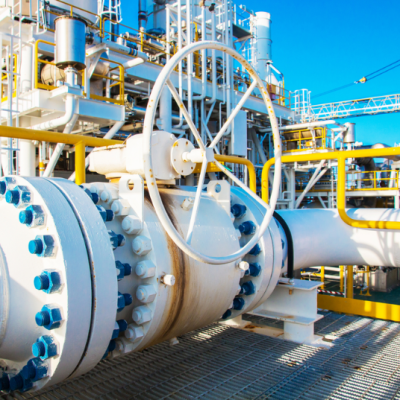
Evaluate Electrical Risk Before Your Next Capital Planning Cycle
Understanding where your facilities are most vulnerable helps prioritize future investments.
The Lift Station Surge, Lightning, and Grounding System Audit Checklist provides a practical way to evaluate your current level of protection, identify exposed assets, and support future capital planning decisions.
Download the Audit ChecklistBuild a Business Case with a Facility Exposure Review
Before approving new capital improvements, it's important to understand where transient voltage presents the greatest operational risk.
A Pump & Lift Station Surge Risk Assessment from DEHN helps identify vulnerable assets, evaluate critical electrical and communication pathways, and support planning for improved protection across your infrastructure.
The review can help support budgeting, capital planning, and long-term asset management.
Ask About a Pump & Lift Station Surge Risk AssessmentFrequently Asked Questions
What Is the Cost of a SCADA Outage at a Water Utility?
The total cost includes emergency callouts, manual monitoring, lost staff productivity, equipment repairs or replacement, potential regulatory exposure, and operational disruption. In many cases, these indirect costs exceed the cost of the damaged equipment itself.
How Do I Justify Surge Protection Investment to My Board or Budget Committee?
Focus on risk reduction and asset preservation. Protecting critical electrical infrastructure can reduce unplanned downtime, extend equipment life, and help avoid the operational and financial consequences of emergency failures.
What Is the ROI of Surge Protection for a Water Utility?
Return on investment is often measured by avoided costs. Preventing a single SCADA outage, VFD replacement, telemetry failure, or emergency response event may offset a significant portion of the protection investment while improving long-term system reliability.