Keep Lift Stations Visible Through Power Events: The Surge Protection Water Treatment Facilities Need
Water and wastewater facilities operate around the clock on interconnected electrical systems that power pumps, lift stations, SCADA networks, PLCs, VFDs, instrumentation, and communications.
When a transient voltage event occurs, the most significant failure often isn't damaged equipment—it's losing visibility into remote assets. DEHN provides holistic protection concepts that help combat the negative effects of internal and external transient events.
Enhancing Electrical Safety in Wastewater and Water Treatment Plants
If a lift station loses telemetry or SCADA communication, it leaves operators without the information they need to respond quickly and know the system status.
Effective surge protection for water treatment facilities addresses more than lightning strikes. Internal switching events—including VFD starts, motor transfers, and generator or automatic transfer switch (ATS) operations—create transient overvoltages that can interrupt controls, reset sensitive electronics, and shorten equipment life.
DEHN helps municipalities, consulting engineers, and system integrators improve electrical resilience through coordinated lightning protection, surge protective devices (SPDs), and grounding systems.
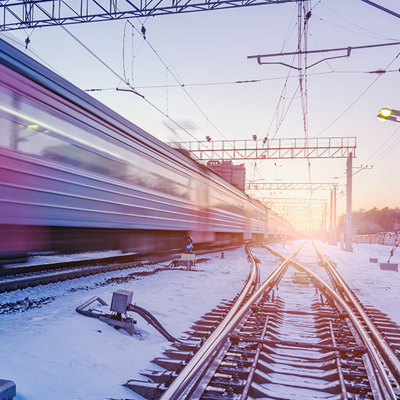
Understanding Transient Voltage Events in Water and Wastewater Facilities
A transient voltage event is a brief spike in electrical voltage that can disrupt or damage sensitive electrical and electronic equipment. In water and wastewater facilities, transient events originate from both external sources, such as lightning and utility switching, and internal operations, including VFD switching, motor starts, transformer energization, and generator transfers.
While lightning is the most visible threat, most transient events originate inside the facility.
These events can affect:
SCADA systems
PLCs
Variable Frequency Drives (VFDs)
Remote telemetry units
Instrumentation
Communications networks
Control panels
Pump stations and lift stations
The result may be nuisance trips, communication loss, equipment degradation, or loss of operational visibility—even when no equipment appears permanently damaged.
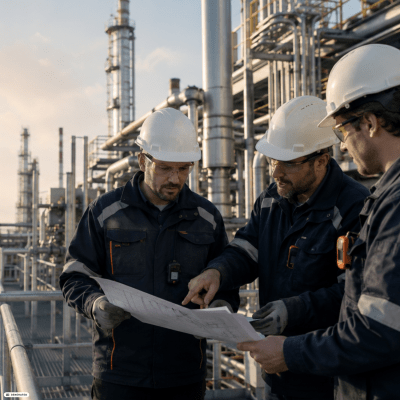
Protecting SCADA Visibility Requires More Than Lightning Protection
When a lift station loses SCADA visibility or telemetry, operators lose real-time insight into system performance. In many cases, the cause isn't a direct lightning strike. Internal transient events generated during normal facility operation can propagate through power and communication networks, causing PLC resets, communication failures, damaged I/O cards, VFD trips, and interrupted telemetry.
Protecting the complete electrical protection chain helps facilities maintain visibility, recover more quickly after power events, and reduce unplanned downtime. Electrical resilience depends on coordinated protection rather than a single device.
DEHN designs and manufactures its protection technologies in-house, providing a comprehensive protection concept comprised of lightning protection systems, surge protective devices (SPDs), EMC protection, and grounding and bonding systems.
Get a Solution Tailored to Your FacilityGet the Lift & Pump Station Controls and Telemetry Resilience Toolkit
Designing resilient infrastructure in the water and wastewater industry starts with understanding where transient risks exist.
The Lift & Pump Station Controls & Telemetry Resilience Toolkit includes:
Top transient pathways affecting lift stations
Protection audit checklist
Editable specification language
Guidance for surge, lightning, and grounding system reviews
Built for the Teams Responsible for Water Infrastructure
Water and wastewater facilities depend on multiple teams to keep electrical systems reliable. While each group approaches surge protection from a different perspective, they share the same objective: maintaining reliable operations, protecting critical control systems, and keeping facilities visible and recoverable through power events.
Consulting Engineers & Specifiers
Protection decisions begin during design. Engineers need coordinated surge protection, grounding, and lightning protection strategies that can be incorporated into project specifications and improve long-term system reliability.
Municipal Plant Owners & Operators
Operators experience the operational impact of transient events every day—from SCADA resets to unexpected VFD trips and lost telemetry. Protecting visibility into remote lift stations helps maintain safe, continuous operations.
Facility Managers & Asset Owners
Facility managers and asset owners are responsible for keeping water and wastewater operations running safely, efficiently, and without interruption. A coordinated approach to transient voltage protection helps improve system reliability, extend equipment life, and support long-term operational resilience.
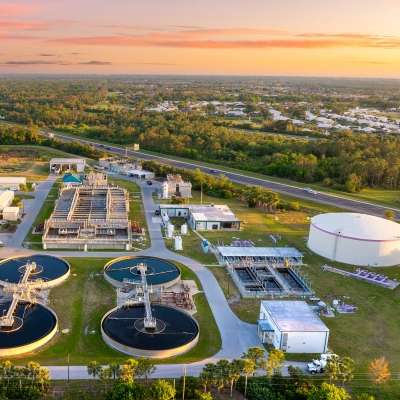
Complete Protection for All Water and Wastewater Systems
Electrical resilience depends on coordinated protection rather than a single device.
DEHN designs and manufactures its protection technologies in-house, providing a comprehensive protection concept to support every aspect of your facility’s critical infrastructure, from individual components to whole systems.
Our protective concepts are enhancing electrical safety within:
Water Treatment Plants
Pump & Lift Stations
Water Distribution & Wells
Tanks & Reservoir Monitoring
Explore how DEHN's protection approach supports the unique electrical challenges of each water and wastewater application.
View All ApplicationsContinue Building More Resilient Water and Wastewater Treatment Plants
Whether you're developing specifications, upgrading an existing treatment plant, or improving the reliability of remote lift stations, understanding transient pathways is the first step. With a facility review, DEHN can help you understand how these show up in your own systems and how you can better protect against them. Or, download the toolkit now to learn more about the threats to your plant and the condition of your current protection.
Request a One-Line Drawing Review Download the Resilience ToolkitFrequently Asked Questions
What is a surge protective device (SPD)?
A surge protective device (SPD) limits transient overvoltages before they reach sensitive electrical equipment such as PLCs, VFDs, SCADA systems, instrumentation, and communications equipment.
What causes VFD trips in lift stations?
VFD trips may result from internally generated transient voltage events, utility switching, motor starts, lightning-related surges, or other power quality disturbances that affect sensitive electronic controls.
How does grounding help protect SCADA systems?
A properly designed grounding and bonding system provides a controlled path for fault and surge currents, helping reduce voltage differences that can disrupt communications, damage electronics, or affect SCADA reliability.
What is the difference between lightning protection and internal transient protection?
Lightning protection is designed to intercept and safely dissipate energy from external lightning strikes. Internal transient protection uses coordinated surge protective devices and grounding to manage overvoltages created inside the facility by switching events, VFDs, motors, generators, and other electrical equipment.