Lightning Protection for Water and Wastewater Treatment Facilities
Lightning is one of the most destructive external threats to water and wastewater infrastructure. Treatment plants, pump stations, lift stations, elevated storage tanks, wellheads, and communication towers all present potential strike points that can disrupt operations, damage electrical systems, and interrupt SCADA visibility.
DEHN helps utilities and engineers develop coordinated lightning and surge protection concepts for water and wastewater facilities. These solutions combine lightning protection systems, surge protective devices, grounding, and bonding to help protect sensitive electrical and control equipment.
DEHN lightning protection solutions help utilities:
- Reduce lightning-related damage to electrical and control systems
- Protect SCADA, PLCs, telemetry, and instrumentation
- Coordinate lightning protection with surge protection, grounding, and bonding
- Support resilient operation across treatment plants and remote assets
- Develop specification-ready protection concepts for new and retrofit projects
For more than 115 years, DEHN has designed and manufactured lightning and surge protection, helping engineers implement coordinated protection concepts across water utility infrastructure.
Lightning Risks Across Water and Wastewater Utility Infrastructure
A direct lightning strike is only one way lightning affects electrical systems. Water and wastewater facilities are also exposed to induced surges from nearby strikes and ground potential rise, where lightning current flowing through the earth creates dangerous voltage differences between interconnected systems.
Common locations requiring lightning protection consideration include:
- Treatment plant buildings and electrical rooms
- Pump and lift station enclosures
- Elevated water storage tanks
- Wellheads and well control equipment
- Communication towers and antenna masts
- Remote monitoring stations
Each location presents different electrical pathways that should be considered during system design.
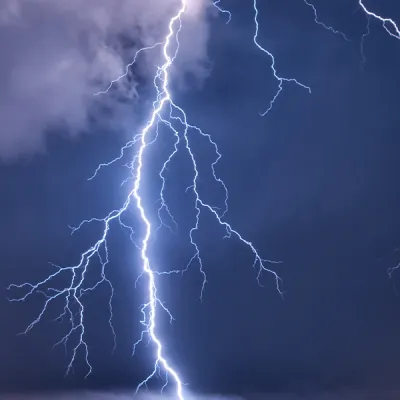
Coordinating Lightning and Surge Protection
Lightning protection systems and surge protective devices perform different functions, but both are needed for a coordinated protection strategy.
A lightning protection system (LPS) intercepts a direct lightning strike and safely conducts the lightning current to earth. An LPS typically includes:
- Air terminals
- Down conductors
- Grounding electrodes
- Bonding connections
Surge protective devices — SPDs — help protect electrical and electronic equipment from transient overvoltages that may continue to travel through power, communication, and signal circuits after a lightning event. Installing one without the other can leave critical pathways unprotected.
NFPA 780 and Lightning Protection System Design
In the United States, the National Fire Protection Association (NFPA) code 780 is commonly referenced for the design, installation, inspection, and maintenance of lightning protection systems.
For water and wastewater facilities, NFPA 780 can help establish requirements for evaluating structures, determining lightning protection needs, and designing systems that intercept and dissipate lightning current. Project requirements vary based on facility type, local codes, project specifications, and the authority having jurisdiction.
Consulting engineers often reference NFPA 780 during the design of treatment plants, pump stations, lift stations, elevated tanks, wellheads, and other exposed infrastructure.
Addressing lightning protection early in the design process helps \coordinate requirements with surge protection, grounding, and bonding systems.
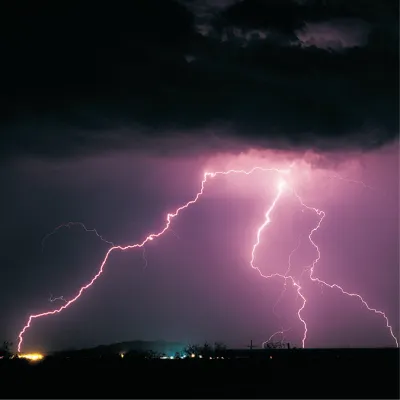
Where DEHN Lightning Protection Solutions Apply
Different water and wastewater applications require different protection strategies based on construction, exposure, and electrical design.
- Treatment plants: Large building structures, rooftop equipment, electrical rooms, and incoming electrical services may require coordinated lightning and surge protection
- Pump and lift stations: Exposed enclosures, SCADA equipment, VFDs, and telemetry systems require protection that supports reliable remote operation.
- Elevated tanks: Tall structures, level monitoring equipment, antennas, and communication pathways require careful bonding, grounding, and surge protection.
- Wellheads and remote monitoring sites: Exposed antennas, control panels, instrumentation, and communication equipment can be vulnerable to direct strikes and induced surges.
- Communication towers and antenna masts: Radio and telemetry infrastructure should be coordinated with grounding, bonding, and surge protection strategies.
A Complete Protection Chain From One Trusted Partner
Effective lightning protection depends on every part of the system working together.
Because DEHN designs and manufactures lightning protection components, surge protective devices, grounding systems, and related technologies in-house, engineers can implement a coordinated protection concept from a single manufacturer rather than assembling disconnected components from multiple suppliers.
For projects involving remote pump and lift stations, control systems, instrumentation, or SCADA infrastructure, lightning protection should be coordinated with surge protection, grounding, bonding, PLC systems, and application-specific protection strategies.
Review Your Lightning Protection Design Today
A Risk Assessment from DEHN evaluates electrical distribution, grounding concepts, and protection pathways to help support a coordinated lightning protection strategy for water and wastewater facilities.
Request a Risk AssessmentFrequently Asked Questions
What Is a Lightning Arrester?
A lightning arrester is a protective device that helps divert lightning-induced overvoltages away from electrical equipment and direct that energy to ground, helping reduce damage from lightning events.
Is NFPA 780 Required for Water Utilities?
NFPA 780 is commonly referenced in the United States for the design and installation of lightning protection systems. Whether it is required depends on the applicable building codes, project specifications, insurance requirements, and authority having jurisdiction (AHJ).
Do I Need Both a Lightning Protection System and Surge Protective Devices?
Yes. A lightning protection system manages the energy from a direct strike, while surge protective devices help protect electrical and electronic equipment from transient overvoltages that travel through power, communication, and signal circuits. Together, they provide coordinated protection.
What Is Ground Potential Rise?
Ground potential rise — GPR — occurs when lightning current flows into the earth and temporarily raises the electrical potential of the surrounding ground. Without proper grounding and bonding, these voltage differences can damage interconnected electrical and communication systems.